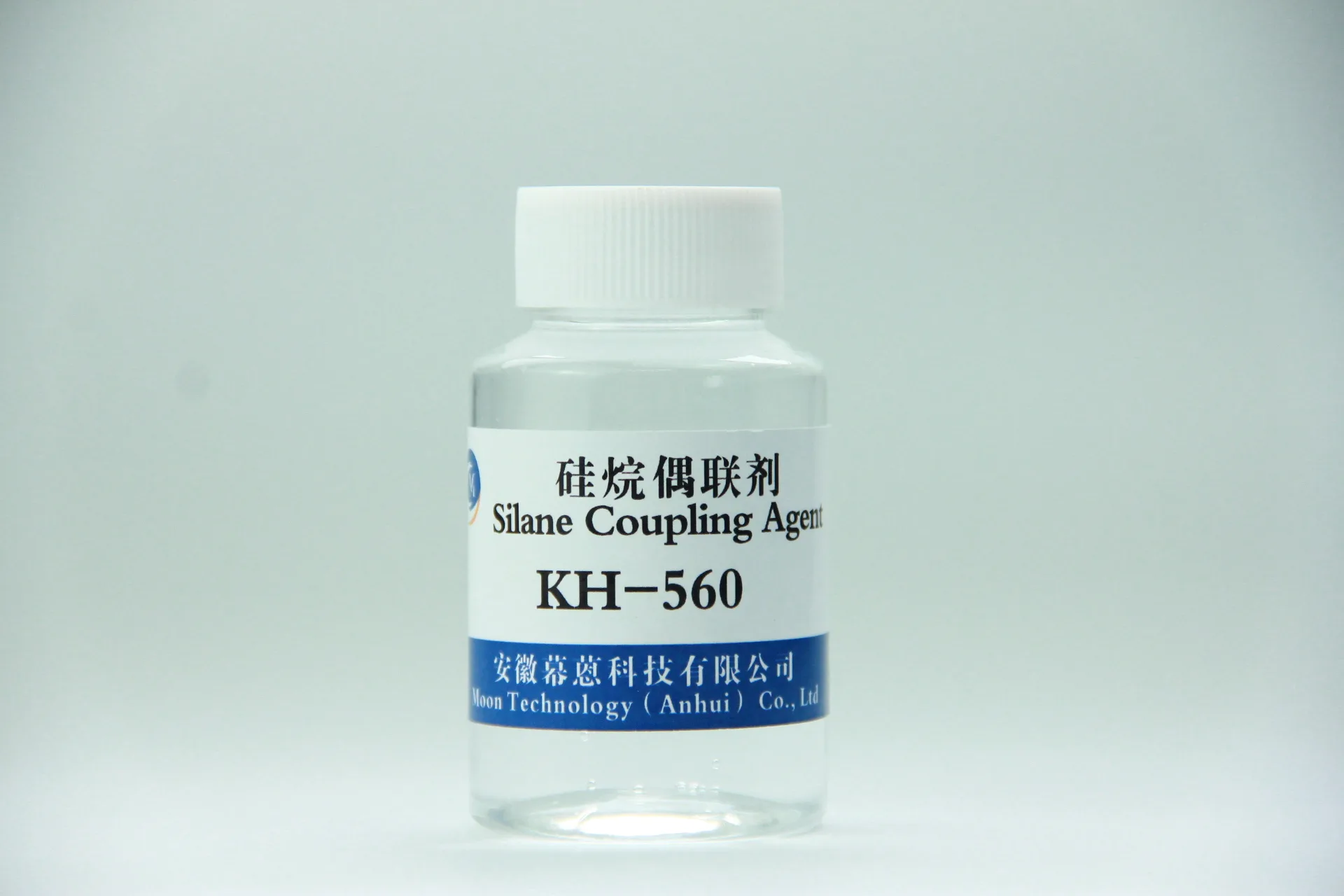
What KH-560 Is and How It Works
MOON-KH560 is 3-glycidoxypropyltrimethoxysilane — an epoxy-functional silane coupling agent with the CAS number 2530-83-8. The molecule has two chemically distinct ends:
- A tri-methoxy silane end that hydrolyses in the presence of water to produce silanol groups (Si–OH), which then condense with hydroxyl groups on inorganic surfaces (glass, metal oxides, silica sand, mineral fillers) to form stable Si–O–Si or Si–O–M covalent bonds.
- An epoxy ring at the other end that opens and reacts with curing agents (amines, anhydrides, Lewis acids) during the polymerisation of epoxy, polyurethane, acrylic and other resin systems — covalently bonding the organic polymer matrix to the silane-treated surface.
The result is a continuous chemical bridge at the interface. Without a coupling agent, the interface is purely mechanical and vulnerable to moisture intrusion and thermal cycling. KH-560 converts it into a chemical bond that resists both.
Technical Specifications
| Parameter | Specification |
|---|---|
| Product Code | MOON-KH560 |
| Chemical Name | 3-Glycidoxypropyltrimethoxysilane |
| CAS No. | 2530-83-8 |
| Molecular Formula | C₉H₂₀O₅Si |
| Molecular Weight | 236.34 g/mol |
| Appearance | Colourless to pale yellow transparent liquid |
| Purity | ≥98% |
| Density (25°C) | 1.065–1.075 g/cm³ |
| Refractive Index (25°C) | 1.427–1.430 |
| Packaging | 25 kg plastic drum · 200 kg iron drum · 1000 L IBC |
| Equivalent Grades | Dow Corning Z-6040 · GE Silquest A-187 · Shin-Etsu KBM-403 · Evonik Dynasylan GLYMO Equivalent grades are given for identification only and do not imply any affiliation with the trademark owners. |
TDS and MSDS are available on request. COA is issued for every production batch.
KH-550 vs KH-560: Which Silane Do You Need?
KH-550 and KH-560 are the two most widely used silane coupling agents in the market. Both improve adhesion at the polymer–filler interface, but their reactive groups make them suited to different systems.
| KH-550 (Amino) | KH-560 (Epoxy) | |
|---|---|---|
| Reactive group | Primary amine (−NH₂) | Epoxy ring |
| Best resin systems | Epoxy (amine-cured), phenolic, polyester, PBT, polyamide, polycarbonate | Epoxy, polyurethane, acrylic, sealant, moisture-cure systems |
| Best substrates | Glass fiber, silica sand, mineral fillers, aluminum hydroxide | Glass, aluminum, steel, zinc-coated metals, mineral fillers |
| Wet adhesion | Good | Superior — especially in epoxy coatings |
| Corrosion resistance | Moderate | High when fully cured |
| Typical dosage | 0.5–1.5% (up to 2% direct resin addition) | 0.5–2% of total formulation |
| Water sensitivity | Low | Moderate — hydrolyses in waterborne systems if not pre-diluted |
| Colour | Colourless | Colourless to pale yellow |
In practice, the two silanes can also be used together in the same formulation to target different interfaces simultaneously — a common approach in highly filled epoxy composites for aerospace and marine applications.
Typical Applications
🎨 High-Performance Coatings
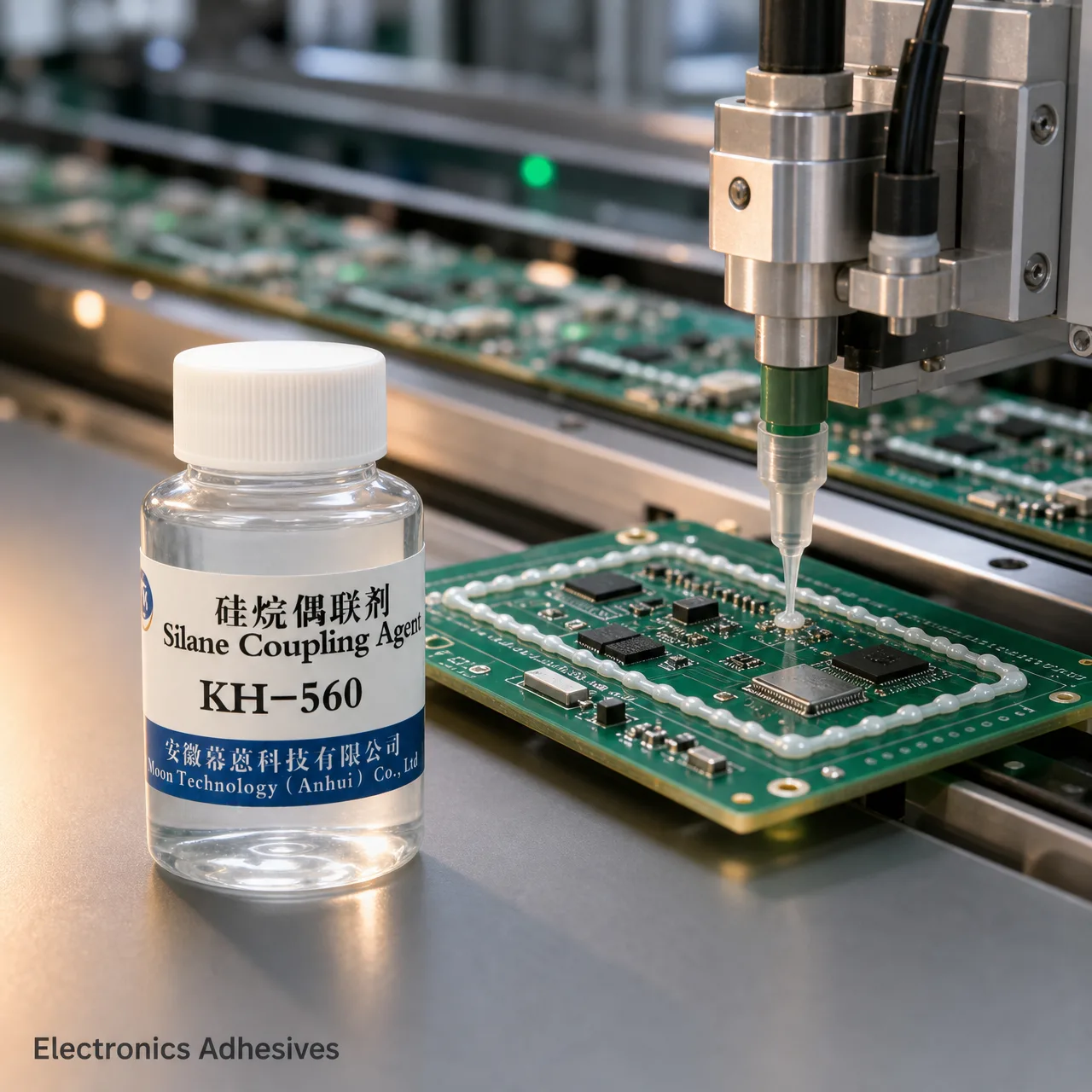
Improves adhesion of epoxy, PU and acrylic coatings to metal, glass and concrete substrates. Particularly effective in primer layers where corrosion resistance and long-term durability are required.
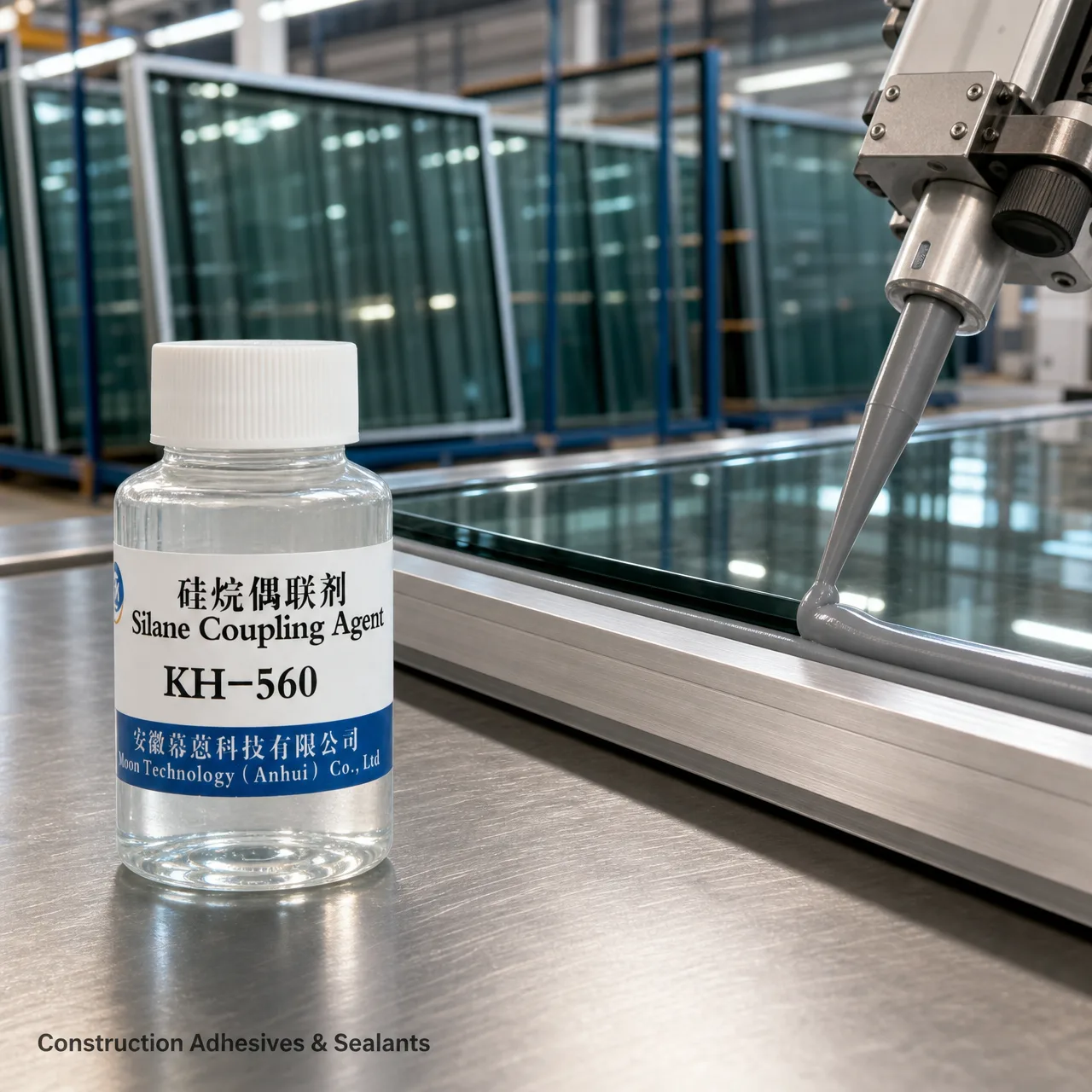
🔩 Structural Adhesives & Sealants
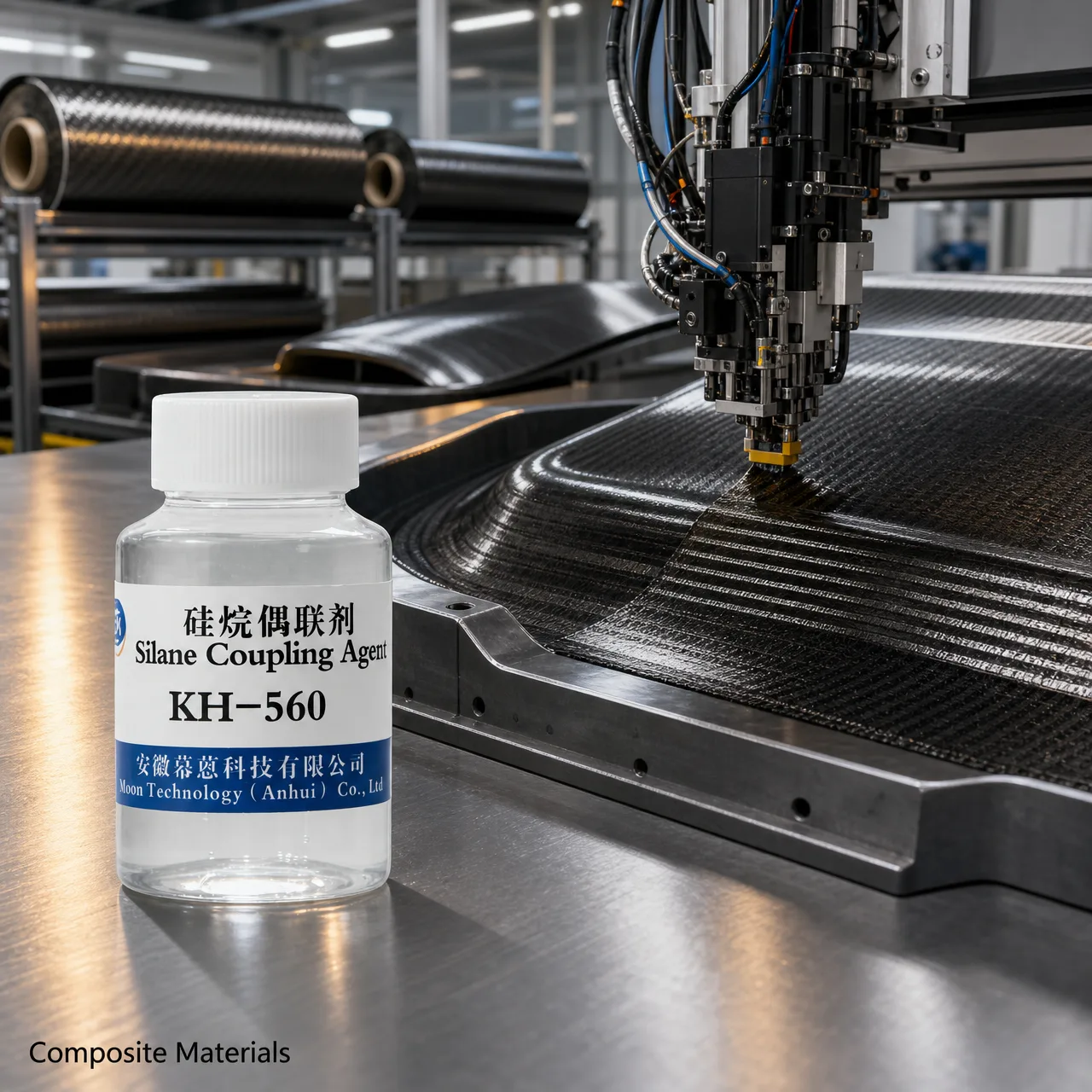
Used in epoxy and PU adhesives for bonding metal-to-metal, glass-to-metal and composite joints. Enhances shear strength and resistance to peel and impact loading.
💡 Electronics Encapsulation
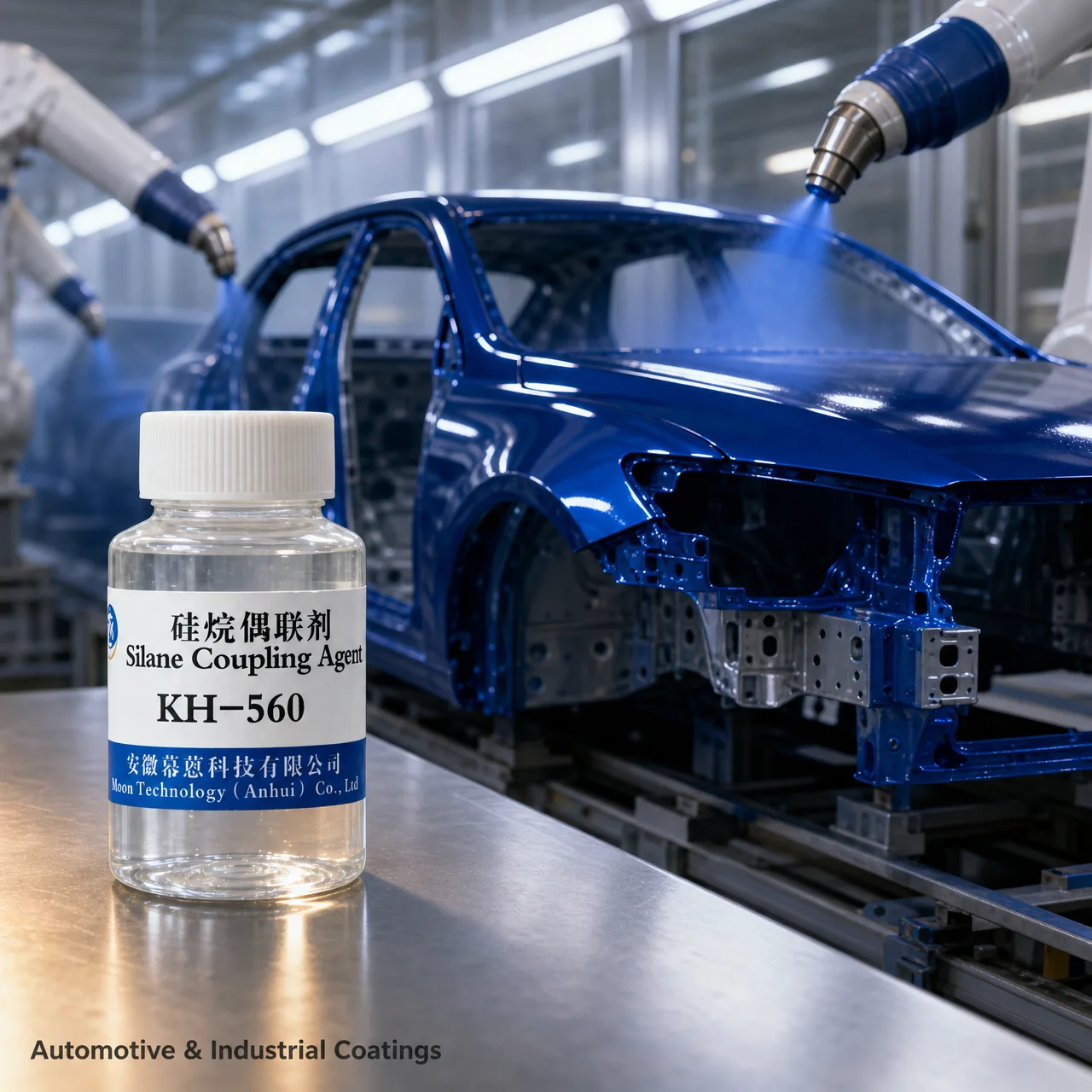
Added to epoxy potting compounds and encapsulants for improved adhesion to metal lead frames, ceramic substrates and printed circuit boards in electronic components.
🛡️ Corrosion-Resistant Primers
KH-560 is frequently used as a key component in wash primers for steel structures, bridges and marine equipment where long-term salt-spray resistance is required.
🧵 Glass Fiber & Mineral Filler Composites
Added to sizing formulations for glass fiber mats and woven roving in polyester, vinyl ester and epoxy composite laminates. Improves interlaminar shear strength (ILSS).
🏗️ Polymer Concrete & Flooring
Used in methyl methacrylate (MMA) and epoxy-based polymer concrete for industrial flooring, where it bonds the resin matrix to silica sand and aggregate fillers.
How to Use It
KH-560 can be incorporated in three ways depending on the formulation and process:
- Direct addition to the resin phase — add KH-560 directly to the resin and stir thoroughly before adding the hardener or curing agent. Suitable for solvent-based systems with low water content.
- Pre-hydrolysed aqueous solution — for waterborne systems: dilute KH-560 in a water/ethanol mixture (1:1 to 1:3 ratio), adjust to pH 4–5 with acetic acid, stir for 15–30 minutes to allow hydrolysis, then add to the formulation. This prevents premature condensation and improves shelf stability.
- Filler pre-treatment — dilute KH-560 in ethanol or acetone (1–5% solution), spray onto mineral fillers or pigments, mix thoroughly and dry at 80–100°C before incorporating into the resin.
Typical dosage is 0.5–2% by weight of the total formulation, or 0.5–1.5% by weight of filler. The optimum level depends on the filler surface area and the resin system — we recommend a trial batch with three dosage points (0.5%, 1%, 2%) to establish the right level for your specific process.
Not Sure About Dosage for Your System?
Tell us your resin type, filler loading, cure schedule and substrate — we will recommend a starting dosage and supply a sample for your trials.
📩 Ask Our Technical TeamPackaging, Quality & Lead Time
- Packaging: 25 kg plastic drum · 200 kg iron drum · 1,000 L IBC (950 kg)
- Batch Testing: Assay, density and refractive index against specification above
- Documentation: TDS and MSDS supplied with every batch. COA issued per batch on request.
- MOQ: 800 kg for commercial orders; 1 kg free sample available
- Lead Time: 7–15 days for standard packaging (FOB Shanghai)
- Storage: Sealed container, away from moisture and direct sunlight. Recommended temperature 5–30°C. Shelf life 12 months under proper storage.
Frequently Asked Questions
Ready to Specify KH-560 for Your Formulation?
Request the TDS, MSDS and a free 1 kg sample — we will confirm pricing, lead time and packaging options within 24 hours.
📩 Request TDS & Sample